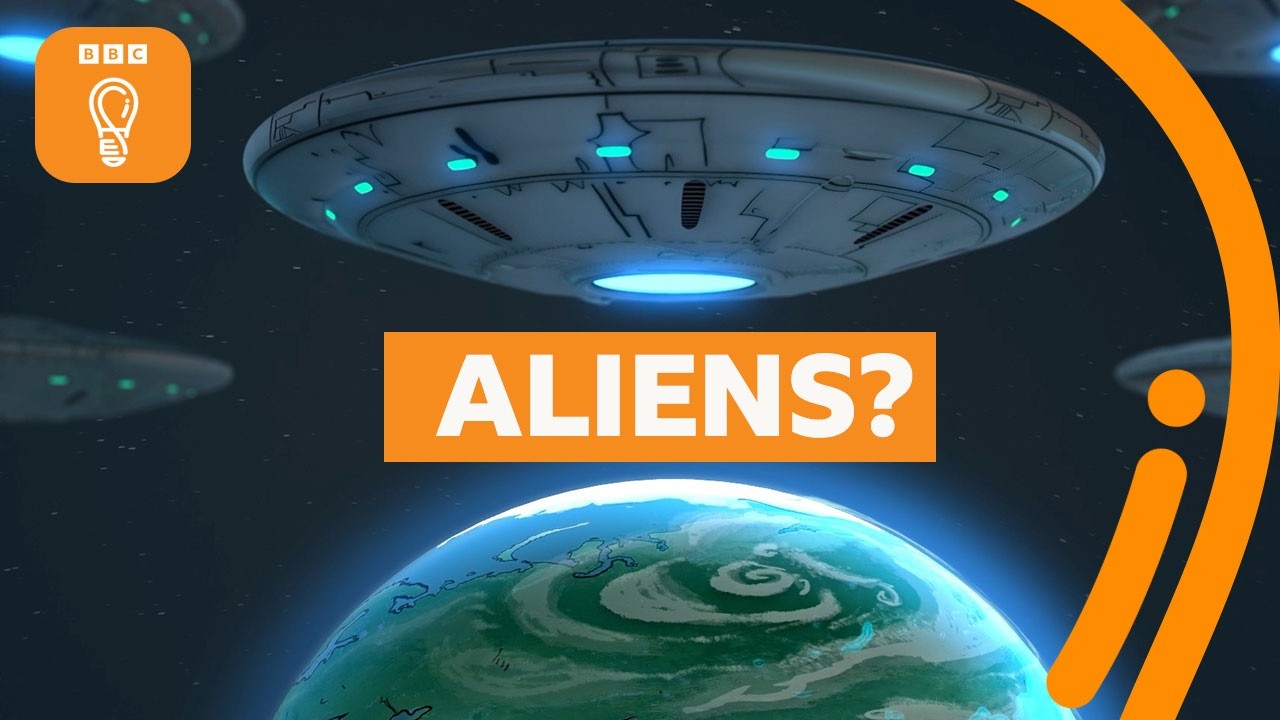
A B2 ESL CONNECT lesson about the search for extraterrestrial intelligence. Students explore SETI, METI, radio signals, the Fermi question, and the risks and hopes of trying to contact intelligent life beyond Earth.
Discuss before watching. Focus on the future and your own life in the year 2100.
2. Watch
Watch the video on YouTube using the image below. Then complete the activities.
3. Comprehension
Choose the best answer.
Answers: 1 B, 2 A, 3 C, 4 B, 5 A.
4. Five-paragraph gap-fill
Choose the correct answer. The paragraphs are based on the lesson topic and transcript.
In the future, our homes may look very different from the homes we know today. By 2100, many people in smarter houses that can control temperature, energy and security automatically.
Technology will probably become part of everyday life in ways that are difficult to imagine now. By the end of the century, scientists new systems for transport, medicine and communication.
Work may also change dramatically. At this time in 2100, many people with artificial intelligence, robots or virtual reality instead of travelling to a traditional office every day.
Environmental problems will shape the future too. By 2100, cities greener and more efficient if governments and companies invest seriously in clean technology.
However, the future will not only depend on inventions. It will depend on choices people make now. In 2100, people whether earlier generations made responsible decisions about climate, technology and society.
Answers: will be living, will have developed, will be working, will have become, will be asking.
5. Phrasal verbs
Match each future-related expression with the correct meaning.
Answers: 1 D, 2 A, 3 E, 4 B, 5 C.
6. Vocabulary
Match each word or phrase with its meaning.
Answers: 1 B, 2 E, 3 A, 4 F, 5 D, 6 C.
7. Grammar
Grammar focus: second conditional.
Brief rules
Second conditional is used to talk about imaginary, unlikely or hypothetical situations in the present or future.
Form: If + past simple, would + infinitive.
Example: If I lived in the year 2100, I would travel in a flying car.
Important: The past simple after if does not mean the past here. It shows that the situation is imaginary or not real now.
Answers: 1 lived, 2 would have, 3 were, 4 would work, 5 would be, 6 would look.
8. Discussion
Use the language table first, then discuss the five questions below.
Function
Useful B2 language
Making predictions
By 2100, people will probably... / I think we will have...
Expressing uncertainty
It is possible that... / We might... / I am not sure whether...
Comparing past and future
Life will be very different from today because...
Giving an example
For example, homes might... / One possible change is...
Giving an opinion
In my opinion, this would be positive/negative because...
Five discussion questions
What will your home look like in the year 2100?
What jobs will people be doing in 2100?
What problems will humanity have solved by 2100?
Will technology make people happier or more stressed?
Write three predictions about your own life or your family in 2100.