CONNECT
Memory Triggers and False Memories
B2/C1 video lesson on episodic memory, sensory cues, false memories and reminiscence therapy.
Lesson Overview
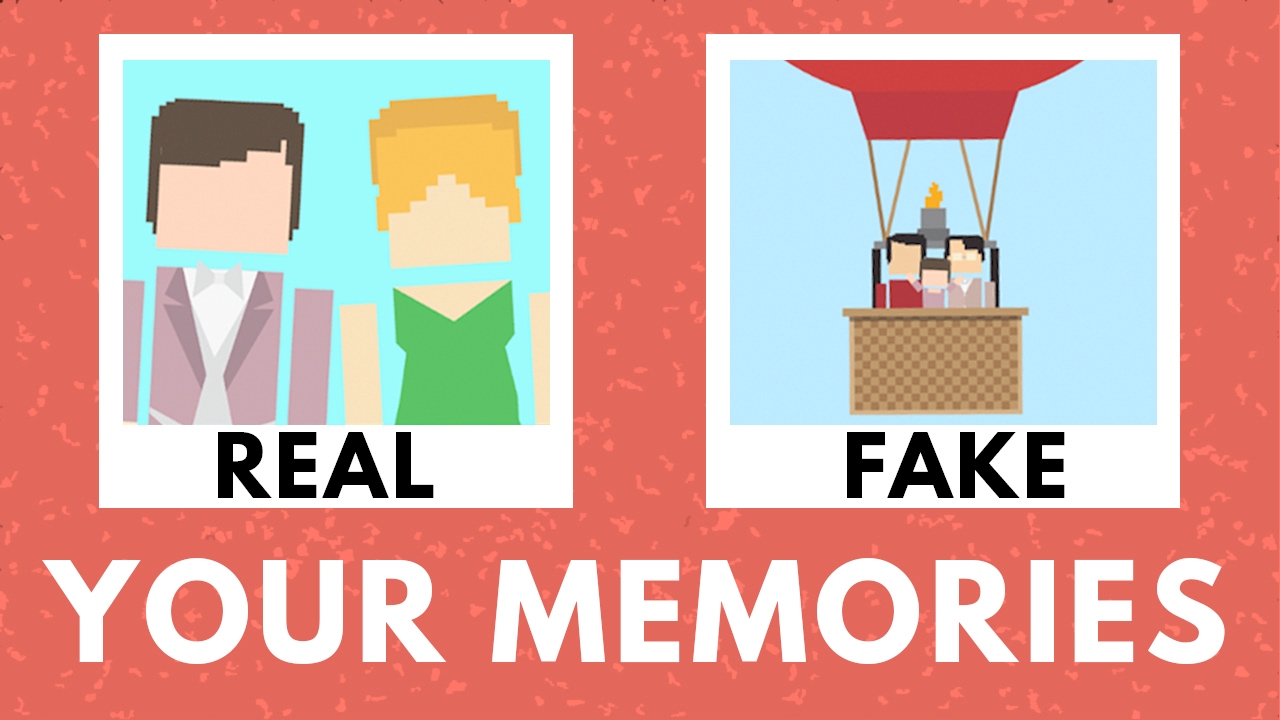
Students watch a Life Noggin video about how memories are triggered by smells, sounds and pictures, and why memories are not always reliable.
Before you watch
- What smells or sounds remind you of the past?
- Do photos always help us remember things accurately?
- Why might our memory sometimes change over time?
Prep Part 1
Drag the correct sentence ending into each gap.
Sentence endings
it makes a past experience return to mind.it causes a memory to appear in your mind.they mentally travel back to a specific past event.it is clear, detailed and strong.the brain is processing smells.Watch Part 1
Watch from 0:00 to about 1:33. Focus on memory triggers, smells, episodic memory and the brain.
 Watch Part 1 on YouTube
Comprehension 1
What examples does the video give of documenting life?
What can smells and sounds do?
Why are odors powerful memory triggers?
Which brain structure is involved in storing long-term memories?
Vocabulary from Part 1
People document their lives in ways.
A smell can a memory.
Episodic memories let you mentally travel back in .
Odors can create vivid and emotional .
Options
memoriesuniquejurisdictionstimetriggerPrep Part 2
Drag the correct sentence ending into each gap.
Sentence endings
they remember something that did not actually happen.it has been edited or manipulated.they describe it with many specific features.it helps a person remember something.photos, music or stories help people talk about past experiences.Watch Part 2
Watch from about 1:33 to the end. Focus on photos, false memories, dementia and reminiscence therapy.
Watch Part 2 on YouTubeComprehension 2
What did the early 2000s study show participants?
By the end of the study, what did some subjects do?
What did the 2011 study suggest about photos and fake headlines?
How can pictures help people with dementia?
Vocabulary from Part 2
A Photoshopped image can create a false .
Some people described the fake event in great .
Photos can make people feel about a memory.
Reminiscence therapy may improve mood and .
Options
memorymonopolydetailcognitionconfidentVocabulary Review
| Word / phrase | Meaning | Example |
|---|---|---|
| document your life | record experiences through photos, videos or writing | People document their lives on social media. |
| trigger a memory | cause a memory to return | A smell can trigger a childhood memory. |
| episodic memory | a memory of a specific personal event | Remembering a holiday is an episodic memory. |
| vivid | clear, detailed and strong | Odors can create vivid memories. |
| false memory | a memory of something that did not happen | The doctored photo created a false memory. |
| reminiscence therapy | using cues to help people talk about past experiences | Photos and music can be used in reminiscence therapy. |
Phrasal Verbs and Expressions
Photos help people look life events.
A smell can bring a memory.
People can be taken a moment in the past.
Researchers found that photos can affect memory.
Music can help cue memories.
Options
back atdownbackback tooutupB2/C1 Grammar: Reported Speech for Memory Research
This section practises reported speech for summarising studies and scientific claims.
Direct speech: “Odors are powerful memory triggers.” Reported speech:
Direct speech: “The subjects remembered the balloon ride.” Reported speech:
Reported Speech in Context
The video said that people their lives in many ways.
The narrator explained that smells memories.
The study showed that some subjects a fake event.
Researchers found that photos memory confidence.
Options
will influencedocumentedcould influencehad rememberedcould triggerUseful Patterns
| Direct speech | Reported speech |
|---|---|
| “Smells trigger memories.” | The speaker said that smells triggered memories. |
| “The photo was fake.” | The researchers explained that the photo had been fake. |
| “Can pictures improve memory?” | The study asked whether pictures could improve memory. |
Thought-Provoking Questions
- Are photos always reliable evidence of the past?
- Can social media change the way we remember our lives?
- Why might smells be stronger memory triggers than photos?
- Should people worry about false memories?
- How could memory cues help elderly people or people with dementia?
- Would you want to perfectly record every moment of your life?
Role Play
Student A: Memory researcher
Explain episodic memory, smell triggers, false memories and the role of photos.
Student B: Podcast host
Ask questions about whether memories can be trusted and how memory cues can help people.
Useful language
| Explaining research | Asking questions |
|---|---|
| The evidence suggests that... One possible explanation is... The study showed that... | Does that mean that...? How reliable is...? Could this help people who...? |