CONNECT
Travel with Little Money
B1 video lesson on budget travel, saving money and giving travel advice.
Lesson Overview
Students watch a travel advice video about travelling with little money. The lesson practises B1 language for budget travel, transport, accommodation, local food, money exchange and travel tips.
Before you watch
- What is the cheapest trip you have ever taken?
- How can travellers save money before they leave?
- Would you rather stay in a hostel, Airbnb or hotel?
Prep
Drag the correct ending into each gap.
Mixed answer options
you can change your plans easily.you walk instead of taking transport.you travel without spending a lot of money.you eat where local people usually eat.many small costs become a lot of money.you travel when fewer tourists are travelling.Watch the Video
Watch the full video once. Focus on the eight tips for travelling with little money.
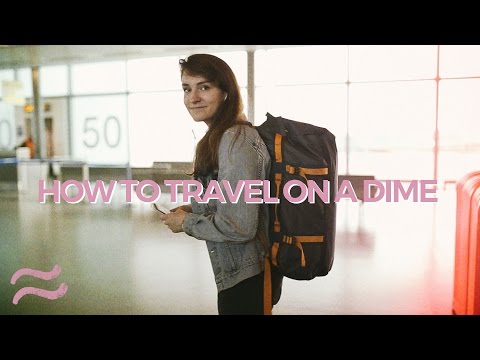 Open full video
Comprehension
Click each question to reveal the answer. Each question is synced to the video time.
Vocabulary from the Video
Be flexible with your .
Fly outside of .
Early flights are flights.
Bring a bottle and some .
Little things like that add .
Hostels are a perfect way to meet .
Find smaller places where locals .
Get local before or at a bank.
Mixed options
destinationsseasoncheapsnacksuppeopleeatcurrencyVocabulary Review
| Word / phrase | Meaning | Example |
|---|---|---|
| budget travel | travelling without spending much money | Budget travel can still be exciting. |
| flexible | able to change your plans | Be flexible with destinations. |
| destination | the place you travel to | Berlin was their first destination. |
| outside of season | not during the busiest tourist period | Flights are cheaper outside of season. |
| school break | a holiday period when students are not at school | Avoid travelling during school breaks. |
| snack | a small amount of food | Bring snacks when you walk around. |
| add up | increase little by little | Small costs add up. |
| hostel | cheap accommodation, often shared | Hostels are good for meeting people. |
| local | a person who lives in the place | Eat where locals eat. |
| sightseeing spot | a famous place tourists visit | Food near sightseeing spots is expensive. |
| authentic | real and traditional | The food is authentic. |
| local currency | the money used in a country | Get local currency before you travel. |
| exchange fee | money you pay to change currency | Avoid paying exchange fees many times. |
| withdrawal | taking money out of a bank account | Make a bigger withdrawal. |
| walking tour | a guided tour on foot | Book a free walking tour. |
Collocations
cheap
local
free walking
sightseeing
school
exchange
Mixed options
spotscurrencytourfeesflightsbreaksPhrasal Verb Questions
What travel costs can add quickly?
What time do you usually get for an early flight?
How do you find about cheap destinations?
What food do you bring on a trip?
How can you cut travel costs?
Mixed options
upalongdown onupoutB1 Grammar: Imperatives for Travel Advice
Use imperatives to give clear travel tips and instructions.
| Form | Use | Example |
|---|---|---|
| Verb + object | give positive advice | Bring a bottle and some snacks. |
| Don’t + verb | give negative advice | Don’t eat near sightseeing spots. |
| Make sure + clause | strong advice / reminder | Make sure you don’t travel during school breaks. |
Grammar Exercise 1: Complete the travel advice
flexible with your destinations.
early for cheap flights.
a bottle and snacks.
Don’t near sightseeing spots.
your feet and walk.
Mixed options
UseeatBringBeGet upError Correction
Sentence Transformations
You should bring snacks.
You should avoid eating near tourist spots.
Travel outside of season.
Discussion
- Which tip from the video is the most useful?
- Would you take a very early flight to save money?
- Do you prefer hostels, Airbnb or hotels?
- Why is food near tourist attractions often expensive?
- How can walking help you save money?
- What are your best budget travel tips?
- What should tourists never waste money on?
Useful Language
| Giving advice | Agreeing | Disagreeing politely |
|---|---|---|
| You should... It’s better to... Make sure you... | That’s a good idea. I agree because... | I’m not sure about that. I prefer to... |
Role Play: Plan a Budget Trip
Student A: Budget Traveller
You want the cheapest possible trip. Suggest early flights, hostels, local food and walking.
Student B: Careful Traveller
You want to save money, but you also want comfort and safety. Ask questions and negotiate.
Challenge
Use: be flexible, outside of season, add up, local currency, walking tour, use your feet.